Adding a second window lock to an older cottage: worth doing?
Insurers have got fussier about window security. An original timber casement with a single latch handle, which was perfectly normal until about 20 years ago, is now often the exception on a policy wanting proof of a second locking point.
You don't need to replace your windows. You just need a second lock. There are sensible ways to do this without making a period cottage look like a prison.
What insurers actually want
Most UK home insurance policies either specifically require window locks or give a discount for them. The usual spec is a "key-operated lock on all ground-floor and accessible windows," meaning windows within reach of a drainpipe, flat roof extension, or garden furniture.
What counts:
- A dedicated window lock, key-operated, separate from the main handle or latch
- Fitted to a secure part of the frame (not just a bit of bead that could be levered off)
- With a key that lives somewhere sensible (not in the lock)
Three types of lock, three scenarios
Casement locks for side-hung windows
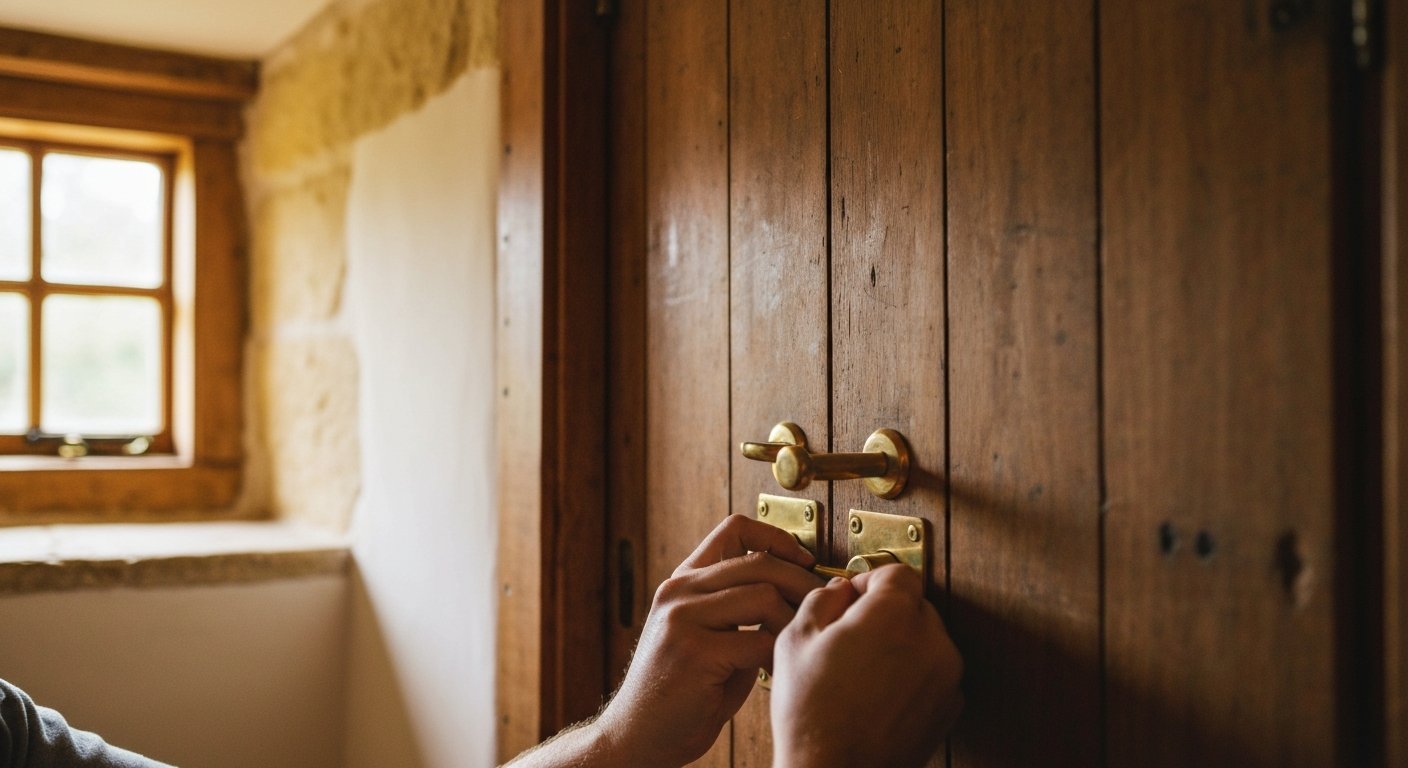
Small brass or chrome locks that attach to the window frame and the sash, usually a stud or catch that locks with a small key. The most common and least intrusive type.
Fit one at the top of the opening sash and one at the bottom (insurers often want two per window). Keyed alike sets are available so you don't need ten different keys.
£15 to £30 a lock. 20 minutes to fit each one.
Sash window restrictors
For vertical sliding sashes. A locking pin that passes through the meeting rail into the frame, preventing the lower sash from being lifted. Often key-operated.
Classic version is the Fitch fastener with a secondary lock. Modern replacement is a surface-mounted sash stop. Both work, sash stop is easier to fit without disturbing the window.
£10 to £25 per pair. 15 minutes to fit.
Cylinder locks for wooden casement frames
For bigger windows or doors, a small cylinder lock with a striking plate on the frame. Looks a bit more substantial but more secure.
Usually reserved for external doors, French doors, or bigger statement windows. Overkill for a typical kitchen sash but worth it for a set of French doors leading onto a patio.
Listed or conservation area?
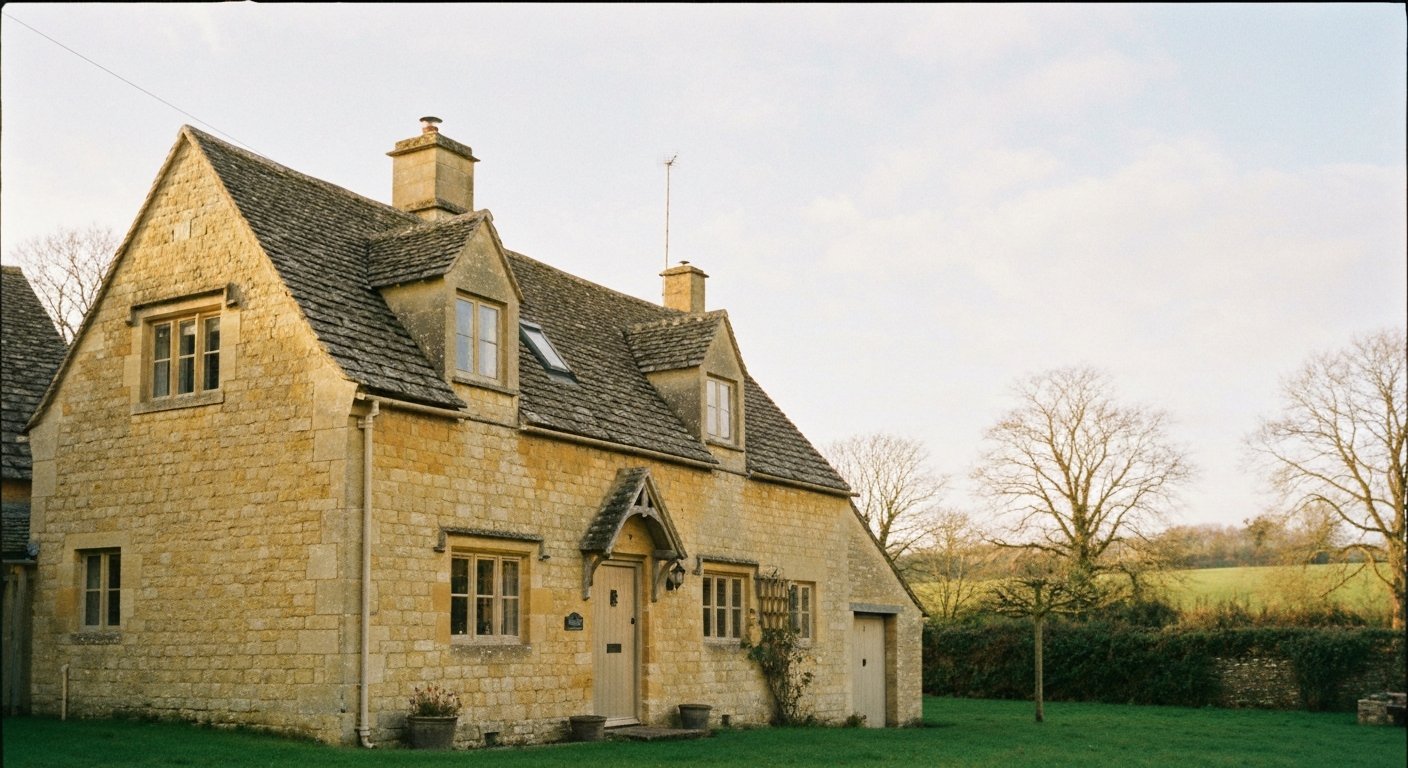
A lot of the Cirencester town centre is Grade II listed or in the conservation area. Adding a new fixing to a listed window technically needs listed building consent. In practice:
- A small brass lock that matches the existing ironmongery is usually approved. Ring the council first and get the answer in writing.
- Fittings that involve drilling into the sash bar itself (as opposed to the frame) are more carefully looked at.
- New screw holes through paint are permanent. Once the cat's out of the bag, it's hard to put back.
If you're not sure, I can speak to the planning team on your behalf. Usually saves a few weeks of worry.
Placement rules
Even with good locks, placement matters. The lock has to be hard to reach from outside with a thin tool. That usually means:
- Away from the handle side of the window (a burglar's first reach)
- High enough on a tall casement that you can't easily get a lever in from below
- On a solid part of the frame, not where a chisel could split a softwood bead
Keys: the eternal debate
The key question is always the same: where do you keep the key?
Do not leave it in the lock. That defeats the purpose.
Do not hide it on a nail by the window. That's the first place a professional looks.
Do keep a single spare somewhere accessible in case of fire escape need (more important upstairs than down).
Do keep the main set of keys at a central point of the house (a hook in the hallway, a labelled tray in the kitchen).
For ground floor rooms, insurers sometimes require the window to be openable for fire escape. The lock needs to be locked when no one's home, unlocked when the room is occupied overnight. Think through the use case before you commit.
A common Cirencester scenario
Client has a ground-floor lounge with two original timber casements facing the lane. Insurer wants locks. Client wants them to look right. I fit a pair of Chubb brass casement locks, one per opening sash, keyed alike, with a set of three keys. Key goes on a hook in the kitchen. Fifteen-year-old can escape through the lounge window at 3am if the smoke alarm goes off, has been briefed on where the key is.
Cost: two hours including a cup of tea and working out a sensible key-storage plan. £85 plus £40 for the locks.
Insurer's happy. Cottage looks the same as it did in 1985. Job done.
Thinking about window security?
I fit sash stops and casement locks regularly. Most jobs 30 minutes a window. Discreet, period-appropriate, insurer-friendly.
Doors, locks and windows